IGPI partners Kohki Sakata and Shivaji Das launch book on Kintsugi-inspired innovation

Two senior leaders from Asian management consulting group IGPI have published a new book challenging conventional thinking about business innovation. The book explores how companies can unlock growth by combining existing strengths with new technologies and business models.
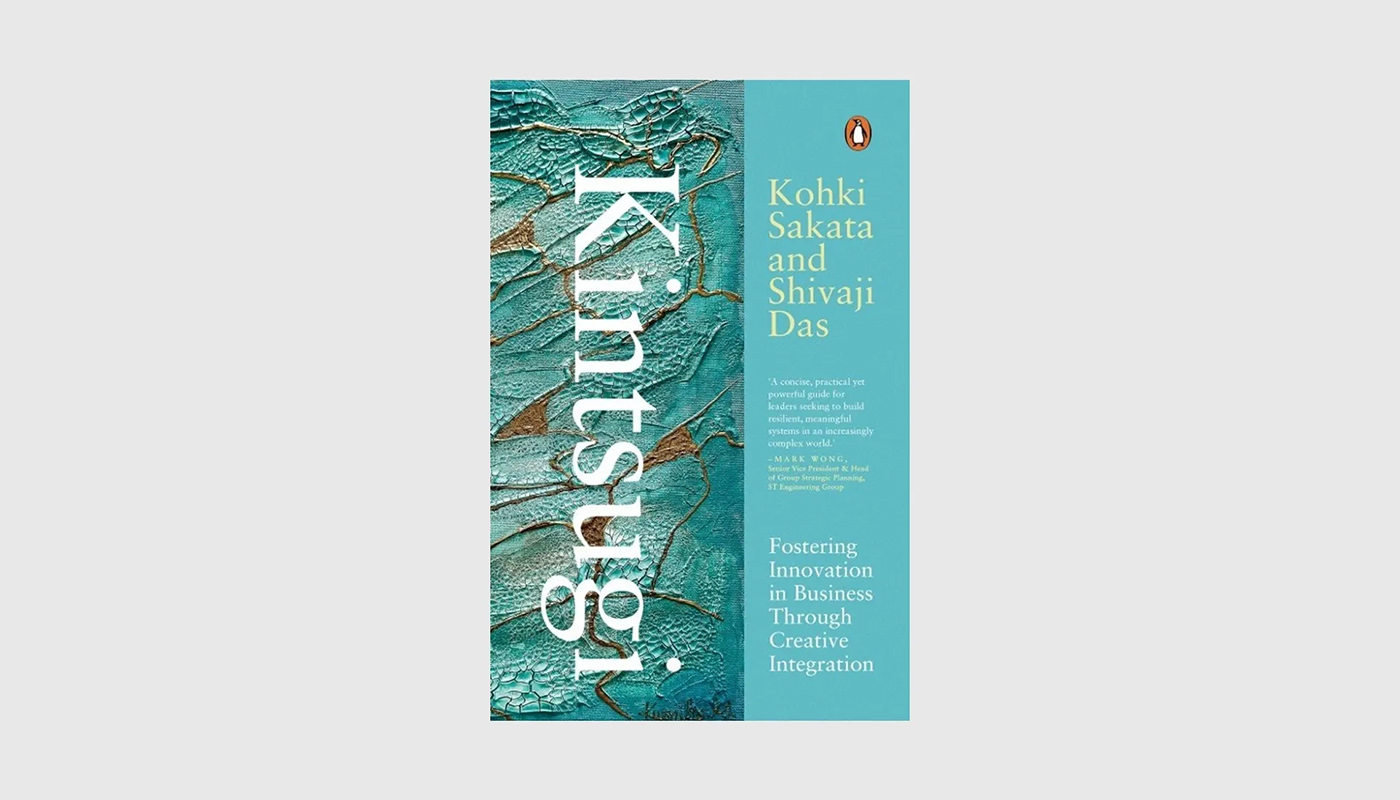
Published last month and titled ‘Kintsugi: Fostering Innovation in Business Through Creative Integration’, the book argues that successful innovation does not necessarily require companies to abandon established systems, replace existing capabilities or disrupt entire industries.
Instead, authors Kohki Sakata and Shivaji Das introduce the concept of ‘creative integration’, an approach that focuses on creating new value by connecting existing resources, technologies, organisations and business ecosystems. The concept draws inspiration from kintsugi, the traditional Japanese art of repairing broken pottery with gold. Rather than hiding the cracks, the technique highlights them, turning imperfections into a distinctive feature of the repaired object.
Applied to business, the philosophy suggests that established assets, relationships and capabilities can become sources of competitive advantage when combined in new ways.
Innovation through integration
The book explores how businesses can apply this thinking to address challenges such as technological disruption, fragmented supply chains, ageing infrastructure and changing customer expectations. Drawing on case studies from across Asia, the authors share how companies have created successful business models by connecting previously disconnected activities.
Examples include Grab and Gojek, which have integrated transportation, local merchants and digital payments into broader service ecosystems, and China’s Taobao Villages, which have connected rural communities to e-commerce opportunities.
Other examples include Malaysia’s CARSOME, India’s Tata 1mg and Japan’s Michinori Holdings, which have used different forms of integration to transform existing industries and services.
For business leaders, the book offers a framework for identifying overlooked value within their organisations, connecting digital technologies with physical operations and building stronger partnerships across business ecosystems. The approach is according to the authors particularly relevant in the age of artificial intelligence, as companies seek to combine emerging technologies with existing knowledge, infrastructure and customer relationships.
Drawing on consulting experience
The book brings together the experience of Sakata and Das, both senior leaders at IGPI, a management consulting group with more than 8,000 people across Asia. Both have extensive experience advising businesses across Japan and other Asian markets on strategy, innovation, corporate governance and business transformation.
“Kintsugi encourages business leaders to reconsider how they approach growth and transformation. Rather than viewing disruption as the default route to innovation, connecting existing strengths with new opportunities can offer an equally powerful path to sustainable competitive advantage,” said Sakata and Das.
“We hope the book will provide a useful perspective for business leaders seeking to build more resilient organisations and create sustainable competitive advantages through innovation. The future of innovation may depend less on what we destroy and more on what we learn to reconnect.”